
Planning a Child-centred Curriculum: (ICQAWUK Accredited)
Programme Introduction
Welcome to the training programme ‘Seeing Every Child’.
‘Seeing Every Child’ is an internationally accredited professional learning programme consisting of 4 interconnected modules designed to build educator knowledge placing the child at the heart of assessment, pedagogy and curriculum. Educators learn to notice deeply, document meaningfully, respond intentionally and plan responsively, creating learning experiences that reflect each child’s unique voice, interests, strengths, wellbeing and learning. This is Module 4.
This is Module 4 - Planning a Child-centred Curriculum - The Long Term, Medium Term and Short Term Planning Framework.
This training module introduces a practical, reflective approach to planning and documenting an emergent curriculum. Participants will explore a continuous cycle of planning and assessment, learn how to authentically capture and respond to children's voices, and apply a structured Long-Term, Medium-Term, and Emergent (Short-Term) planning framework. The module also examines the use of topic scaffolds to support meaningful learning experiences, the development and implementation of emergent plans, and the importance of maintaining an "invisible thread" of linked documentation to demonstrate continuity in children's learning journeys. Finally, participants will learn how to effectively use MOSAIC Educator to record, connect, and manage planning and documentation, ensuring a cohesive, child-centred approach to curriculum planning and practice.
Components are as follows:
Component 1: A Reflective Cycle of Planning and Assessing
Component 2: Capturing and responding to child voice (ASH)
Component 3: The LT, MT and Emergent (ST) Planning Framework
Component 4: Topic Scaffolds
Component 5: The Emergent Plan
Component 6: The Invisible Thread of linked Documentation
Component 7: Emergent Planning on MOSAIC Educator
*PLEASE READ 'NOTES FOR THE COURSE' BEFORE BEGINNING.
Programme Content
- The rationale of a reflective cycle of planning and assessing for early education
- The 4 components of the reflective cycle of planning and assessing for early education
- How the cycle is related to the wellbeing, needs and interests of the individual child
- The various ways that children communicate their voice
- The ASH response to child voice
- How to document and respond to child voice in everyday practice
- The Planning Framework
- The Curriculum Statement
- The broad range of Base Activities required for curriculum implementation
- The rationale and structure of the Topic Scaffold
- Suitable learning topics related to children’s lived experience
- How the child's voice, interests and needs are responded to on the emergent plan
- The individual learning headings on the emergent plan and how this relates to the holistic curriculum
- The different stages of reflection and evaluation of the emergent plan.
- The characteristics of a systematic, linked documentation system
- How the child’s voice/interests/needs are visible through documentation
- How the planning framework is represented in the ongoing reflective cycle of planning and assessing
- What the MOSAIC platform is and its broad functions
- The underpinning principles of MOSAIC and notice how they align to child centred practice.
- How MOSAIC emergent planning functions enable the educator to implement principles of good practice.
Key Learning Outcomes
'Child-centred curriculum planning is an approach in which educators design learning experiences based on children’s interests, strengths, and developmental needs, rather than adhering to a fixed sequence of pre-planned activities. This approach promotes children’s participation and agency in their own learning while recognising and responding to the unique needs of each child'.
On completion of the module, learning outcomes include the ability to:
- Understand the key components of a reflective cycle of planning and assessing in early education.
- Recognise, capture and respond to child voice.
- Analyse and construct a Curriculum Statement.
- Interpret and employ a Long Term, Medium Term and Emergent Planning system.
- Understand the curriculum planning functionality of MOSAIC educator.
04 Hours
€60.00
Presentation with video/audio
Easy to follow components
Downloadable reference documents
Test multiple choice questions
Certificate of Completion
You may also like
Authentic Assessment through Emergent Practice (ICQAWUK Accredited)
04 Hours
€60.00
Telling the Story of Learning: The story-based approach (ICQAWUK Accredited).
04 Hours
€60.00
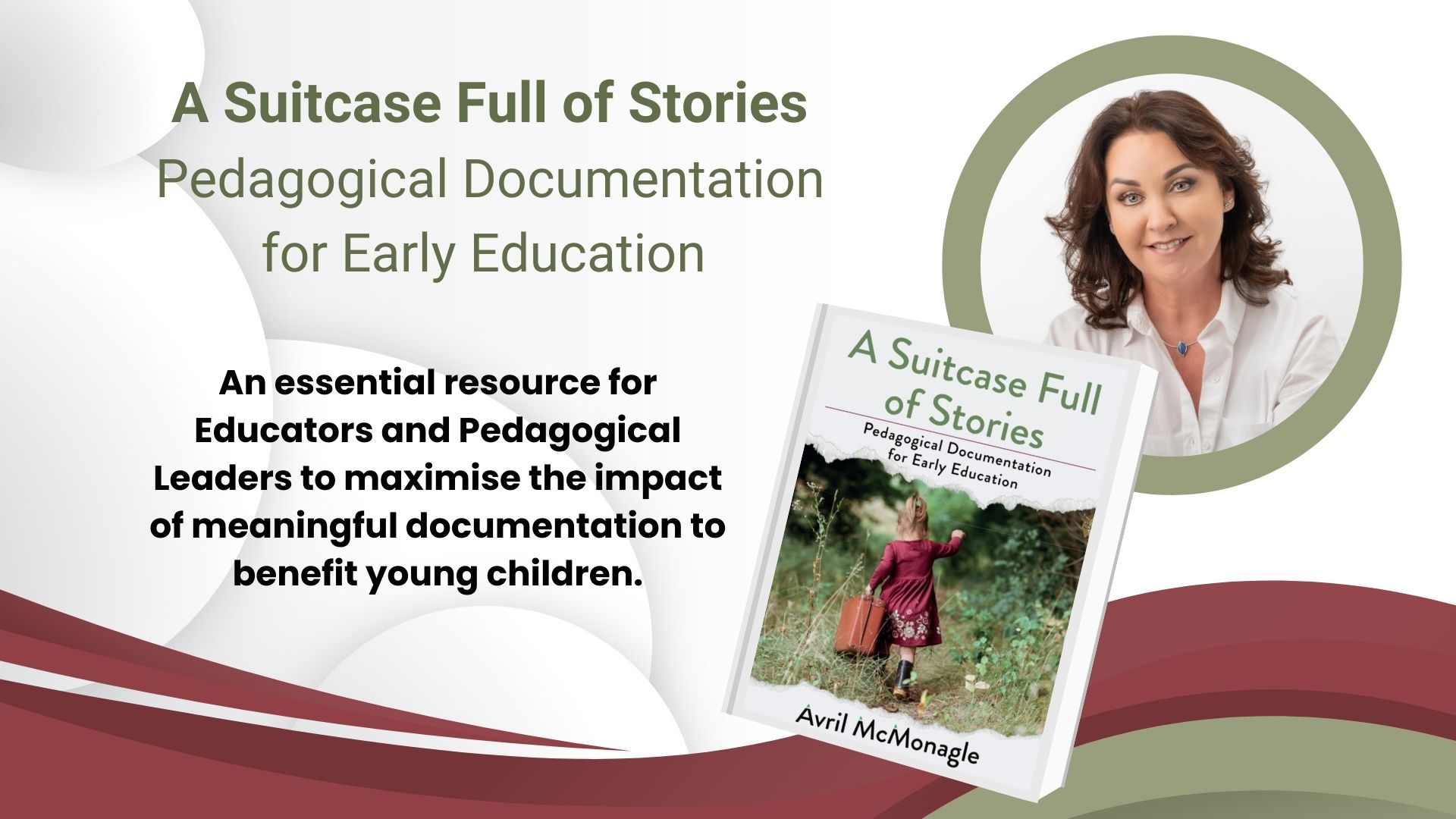
A Suitcase Full of Stories - Book information feature
0.5 Hours